
Does ghee have dairy? This is one of the most common questions asked by health enthusiasts, especially those following paleo, keto, or dairy-sensitive diets. The answer is both simple and nuanced: while ghee derives from butter, which is a dairy product, the process of making it removes the components that typically cause dairy-related issues. For those who struggle with traditional milk products, understanding the science behind how ghee is made can be a total game-changer for their health.
Know The Origin: How Ghee Belongs to Dairy
To answer the question, “does ghee have dairy?” we must look at its starting point. Ghee begins its life as unsalted butter. Butter itself is an emulsion of roughly 80% fat, 16% water, and about 2–4% milk solids. These milk solids contain lactose (milk sugar) and casein (milk protein)—the two primary triggers for dairy allergies and intolerances.
The transformation into ghee happens through a process called clarification. Butter is simmered slowly over a low flame. During this simmering, the water evaporates, and the milk solids begin to separate. Eventually, these solids sink to the bottom of the pot and turn golden brown, while the pure butterfat rises to the top. This fat is then carefully strained, leaving behind a translucent, golden liquid known as ghee.
Why Ghee is Considered Dairy-Free for Most
Technically, because it comes from a cow, it is a dairy-derived product. However, in the health and wellness world, it is often treated as dairy-free. This is because the clarification process effectively “purifies” the fat. By removing the milk solids, we remove the lactose and casein.
When people ask, does ghee have dairy or not they are usually worried about the inflammatory response triggered by those specific sugars and proteins. Since pure, high-quality ghee contains virtually 0% lactose and 0% casein, it is generally considered safe for individuals with dairy sensitivities. It provides all the rich, buttery flavor without the digestive distress, bloating, or skin issues often associated with a glass of milk or a slice of cheese.
Ghee vs. Butter: A Structural Comparison
Understanding the difference between ghee and butter helps clarify why one is often tolerated better than the other.
Lactose & Casein Content: Butter contains these “dairy triggers” in small amounts. Ghee has them removed entirely.
Smoke Point: Because the milk solids (which burn easily) are gone, ghee has a much higher smoke point (485°F) than butter (350°F). This makes it safer for high-heat cooking.
Shelf Stability: Butter requires refrigeration because the water and milk solids can go rancid. Ghee is a pure fat and is moisture-free, making it shelf-stable for months at room temperature.
For those navigating a dairy-restricted lifestyle, the query does ghee have dairy is less about the animal source and more about the functional ingredients. For almost all practical health purposes, ghee acts as a pure oil rather than a dairy product.
Making the Switch
While ghee is derived from milk, the unique clarification process ensures that for those with lactose or casein issues, ghee is a safe and nourishing alternative. It offers a concentrated source of fat-soluble vitamins (A, D, E, and K) and gut-friendly butyric acid, all wrapped in a delicious, nutty package.
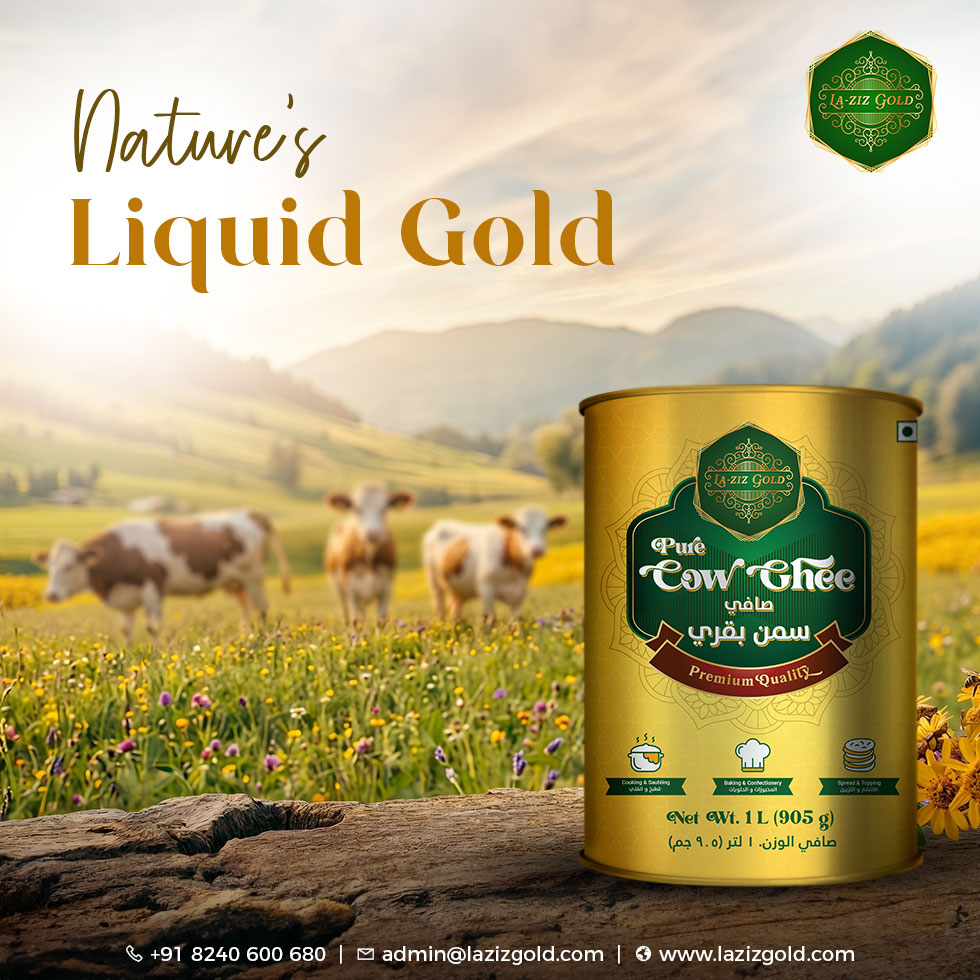
If you find that your body reacts poorly to traditional dairy, or if you are simply looking for the most stable and nutritious cooking fat available, it is time to make the switch. When you are looking for a product that guarantees the total removal of impurities, you should rely on a trusted ghee brand like La-ziz Gold. As a trusted Indian ghee brand making premium ghee for its consumers with years of expertise in the dairy sector, La-ziz Gold ensures that every jar meets the highest standards of purity. Experience the rich heritage and golden quality of a brand that truly understands the science and soul of ghee.