
Is ghee dairy free? This is one of the most common questions asked by health-conscious consumers and those transitioning to restrictive diets. To give you the short answer: technically, no. Ghee is derived from cow’s milk, which classifies it as a dairy product. However, the unique way it is produced makes it a safe and celebrated alternative for people who typically struggle with dairy, particularly those with lactose intolerance or casein sensitivities.
The Science of Clarification: From Butter to Ghee
To understand why people ask is ghee dairy free, we have to look at its origin story. Ghee starts its life as unsalted butter. Regular butter contains approximately 80% butterfat, with the remaining 20% consisting of water and milk solids (lactose and casein).
During the clarification process, butter is heated over a low flame. As it simmers, two important things happen:
Evaporation: The water content in the butter boils off.
Separation: The milk solids (the “dairy” parts that cause digestive upset) caramelize and settle at the bottom of the pan.
Once the liquid gold is strained, these solids are discarded. What remains is pure anhydrous milk fat. Because the offending proteins and sugars are removed, the question of is ghee dairy free becomes a matter of biological technicality versus practical use.
Why Ghee is Safe for Lactose and Casein Sensitivities
The primary reason people avoid dairy is due to lactose (milk sugar) or casein (milk protein). For someone with a traditional dairy allergy or intolerance, these components trigger inflammatory responses or digestive distress.
Because the filtration process in high-quality ghee is so thorough, the levels of lactose and casein left behind are virtually non-existent. This allows most individuals who are lactose intolerant to enjoy the rich, nutty flavor of ghee without the side effects associated with milk or butter. While it isn’t “dairy free” in the sense that it didn’t come from an animal, it is “lactose-free” for all practical purposes.
Ghee vs. Butter: The Culinary Advantage
When debating is ghee dairy free, it is helpful to compare it to its parent ingredient: butter. While butter is delicious, it has a low smoke point because the milk solids burn quickly.
Smoke Point: Ghee has a high smoke point (approx. 250°C), making it safer for sautéing and frying.
Shelf Life: Without the water and milk solids that invite bacterial growth, ghee is shelf-stable for months.
Digestibility: Ghee contains butyrate, a short-chain fatty acid that actually supports gut health and reduces inflammation.
So, is ghee dairy free? While it originates from a dairy source, the clarification process removes the elements that define a “dairy reaction” for most people. If you have a severe, life-threatening milk allergy, you should still proceed with caution and consult a doctor. However, for the vast majority of the population looking for a lactose-friendly fat, ghee offers a strategic, delicious, and nutrient-dense advantage.
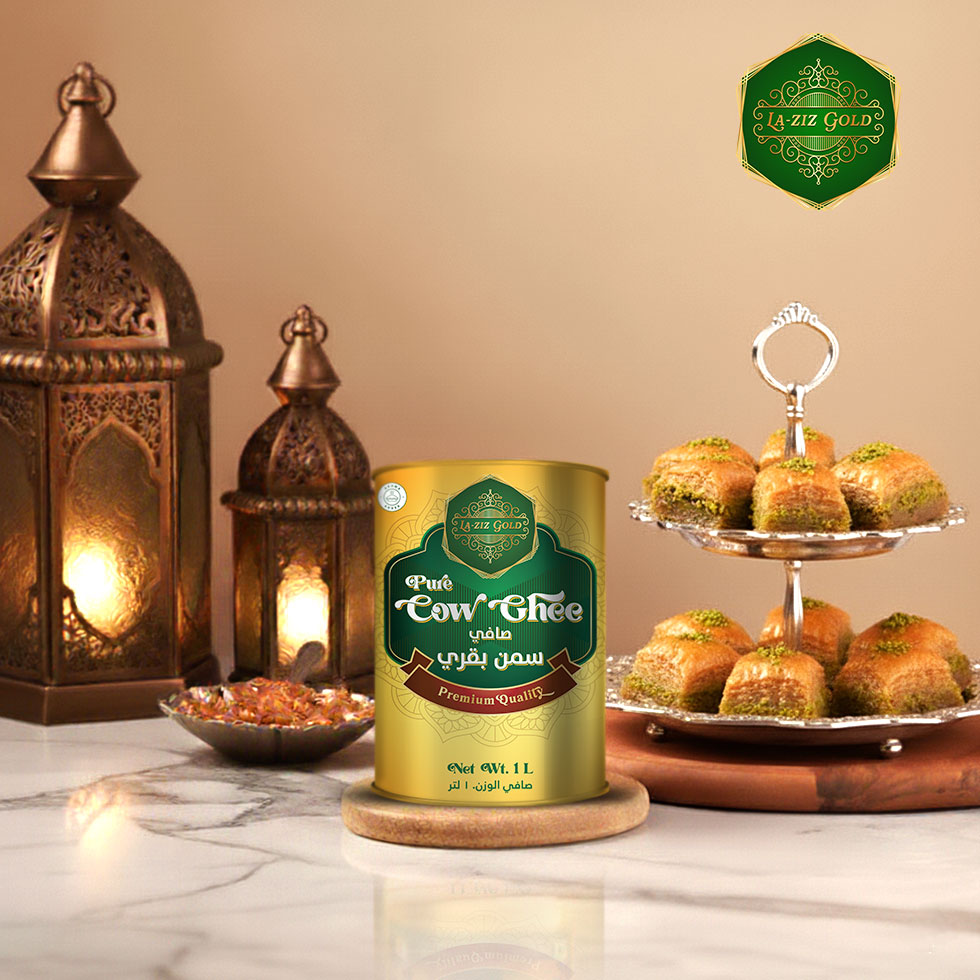
Now that you know the facts of ghee being a dairy allergy-safe product, incorporate a certain amount of pure cow ghee into your regular diet. Focus on choosing a reliable ghee brand that helps you reap all the ghee health advantages. La-ziz Gold is a trusted cow ghee brand providing its customers with premium quality cow ghee, perfect for all types of culinary creations.